
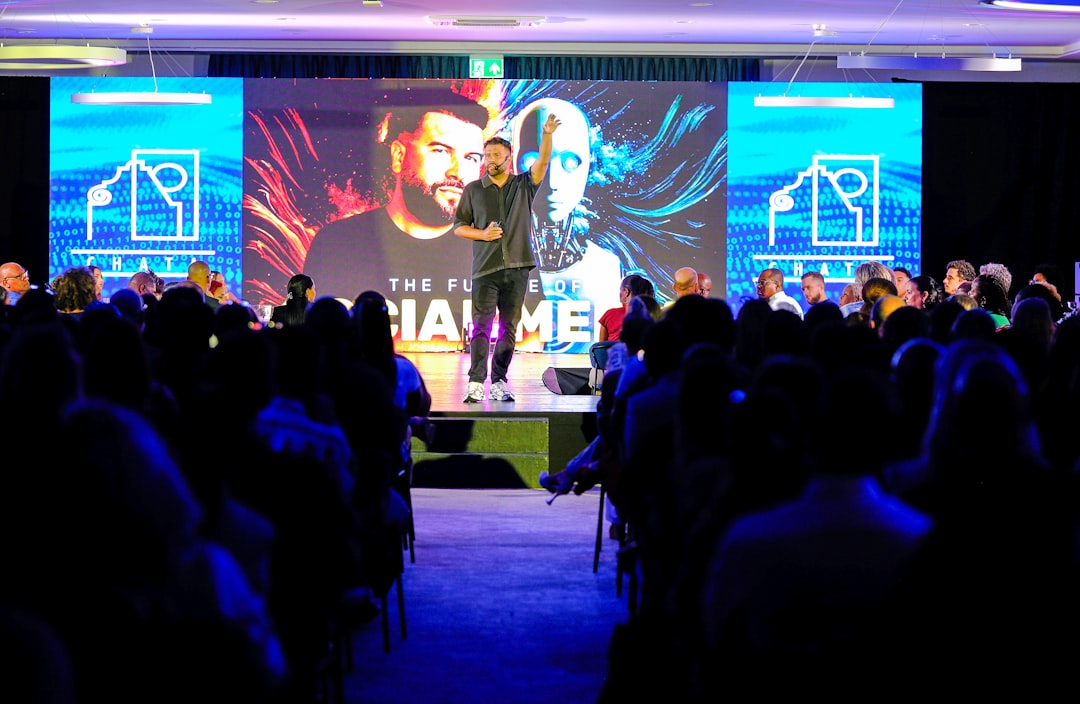
Leadership events have become an essential part of modern organisational development. From executive retreats and management conferences to team workshops and strategy days, businesses are increasingly investing in experiences that bring people together, strengthen relationships, and align teams around common goals. While venues, catering, and schedules all play an important role, the real value of these events lies in what happens after attendees return to work.
This is where choosing the right event management company can make a significant difference. Beyond coordinating the practical details, the best event partners help organisations create experiences that support leadership development, improve communication, and deliver meaningful business outcomes.
The Difference Between Organising an Event and Creating Impact
Many organisations measure the success of an event by attendance numbers, positive feedback, or how smoothly the day runs. While these factors are important, they do not necessarily indicate whether the event achieved its wider objectives.
A well-planned leadership event should do more than bring people together for a day. It should encourage meaningful conversations, promote collaboration, and provide opportunities for learning and reflection. When events are designed with clear organisational goals in mind, they become powerful tools for developing leaders and strengthening teams.
This is why strategic planning is just as important as logistics. Every element of the event should support a broader purpose, whether that is improving management capability, building trust across departments, or aligning leadership teams around a shared vision.
Why Leadership Development Needs Experiential Learning
Traditional training programmes still have value, but many organisations are recognising the benefits of experiential learning. Leadership skills are often developed most effectively through discussion, problem-solving, collaboration, and real-world application.
Events provide an ideal environment for this type of learning. Away from daily responsibilities and workplace distractions, leaders can focus on strategic thinking, self-reflection, and relationship building. Workshops, facilitated discussions, and group activities can all help participants explore challenges from new perspectives and develop practical solutions.
When leadership development is integrated into an event programme, the experience becomes far more valuable than a standalone conference or meeting.
Aligning Events With Organisational Objectives
One of the biggest mistakes organisations make is treating events as isolated activities. Without a clear connection to business goals, even the most professionally organised event can struggle to deliver lasting value.
Before planning begins, organisations should identify exactly what they want participants to gain from the experience. Objectives might include improving leadership effectiveness, enhancing team communication, supporting organisational change, or strengthening company culture.
Once these goals are established, every aspect of the event can be designed to reinforce them. From keynote sessions and workshops to networking opportunities and follow-up actions, each component should contribute to the desired outcome.
This approach ensures that events become part of a wider development strategy rather than a one-off initiative.
The Role of Facilitation in Leadership Events
Successful leadership events rarely happen by accident. Skilled facilitation often plays a crucial role in helping participants engage with important topics and generate meaningful discussion.
Facilitators create an environment where individuals feel comfortable sharing ideas, challenging assumptions, and exploring different perspectives. They help groups stay focused, encourage participation, and ensure conversations remain productive.
For organisations investing in leadership development, facilitation can significantly increase the long-term impact of an event. Rather than simply delivering information, facilitators help participants translate learning into practical actions that can be applied within their teams and organisations.
Building Stronger Teams Through Shared Experiences
Leadership is not developed in isolation. Effective leaders rely on strong relationships, trust, and collaboration to achieve results.
Events provide valuable opportunities for teams to connect outside of their usual working environment. Whether through structured workshops, strategic planning sessions, or collaborative challenges, participants can develop a deeper understanding of one another’s strengths, perspectives, and working styles.
These shared experiences often lead to improved communication and stronger working relationships long after the event has ended. As a result, organisations can see benefits that extend well beyond the immediate learning objectives.
Choosing the Right Partner for Leadership-Focused Events
Selecting an event management company should involve more than evaluating logistical expertise. Organisations should also consider whether a provider understands leadership development, organisational challenges, and the importance of creating purposeful experiences.
The most effective events combine seamless organisation with clear strategic intent. By aligning event design with leadership and business objectives, organisations can maximise the value of their investment and create experiences that deliver lasting results.
When events are viewed as opportunities for growth rather than simply occasions to gather people together, they become powerful catalysts for leadership development, stronger teams, and long-term organisational success.
Featured image credit: Free image by Carlos Gil via Unsplash.