A team may have talented individuals, but that does not automatically mean they will work effectively together. Communication gaps, unclear responsibilities and different working styles can all create friction. Team workshops provide an opportunity to step away from everyday pressures and focus specifically on how people work together.
What Makes Team Workshops Valuable?
Most teams spend their working days concentrating on deadlines, customers and operational priorities. There is often little time to stop and consider how effectively the team itself is functioning.
A well-designed team workshop creates that space. It can give employees the opportunity to discuss challenges, share perspectives and explore practical ways of improving collaboration.
Workshops can be particularly useful when a team is going through change. New managers, organisational restructuring, hybrid working or the introduction of new processes can all affect team dynamics. Bringing people together in a structured environment can help establish clearer expectations and rebuild effective working relationships.
Improving Communication And Collaboration
Communication is at the heart of successful teamwork. Even small misunderstandings can become significant problems when they are allowed to continue unchecked.
Team workshops can use practical exercises and facilitated discussions to explore how people communicate, how information is shared and where barriers may exist. Participants can gain a better understanding of different working styles and consider how they can adapt their own approach when working with colleagues.
The objective is not simply to create a more enjoyable workplace. Stronger communication can have tangible benefits, including fewer misunderstandings, more effective problem-solving and better coordination between team members.
Creating A Shared Sense Of Purpose
Teams tend to perform better when everyone understands what they are working towards and how their individual contribution fits into the bigger picture.
A workshop can provide an opportunity to revisit team objectives, responsibilities and expectations. It can also encourage employees to consider what they need from one another in order to achieve those goals.
This shared focus can be particularly valuable for teams that have become fragmented or are working across different locations. Bringing people together around common objectives can help create a stronger sense of connection and accountability.
Making Workshops Lead To Lasting Change
The most effective team workshops do not end when the session finishes. They should result in practical actions that can be incorporated into everyday working life.
These might include changes to communication practices, clearer responsibilities, new approaches to meetings or agreed ways of handling disagreements. Following up on those commitments helps ensure that the workshop becomes more than a one-off event.
When approached strategically, team workshops can provide a valuable opportunity to strengthen relationships, improve communication and help teams work more effectively towards shared goals.
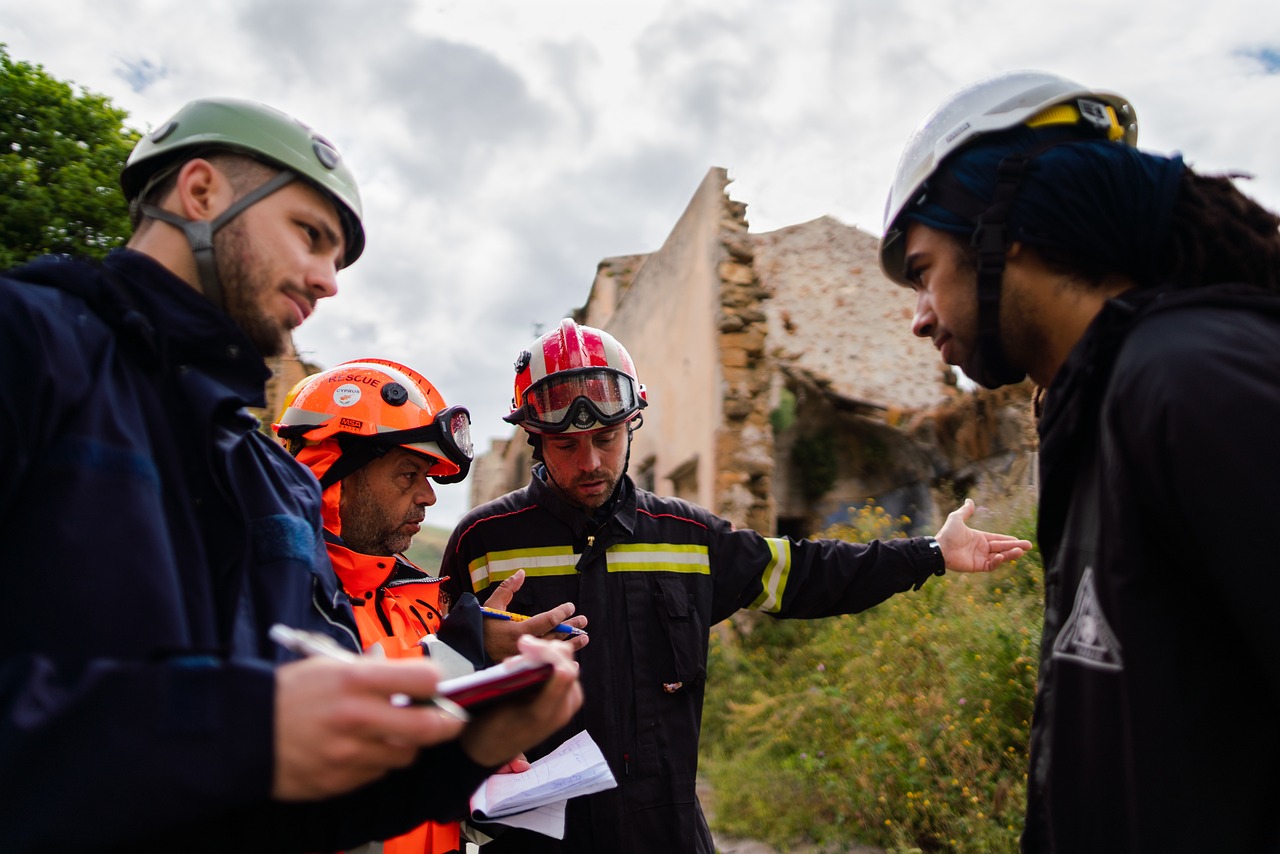
Featured image by This_is_Engineering via pixabay.