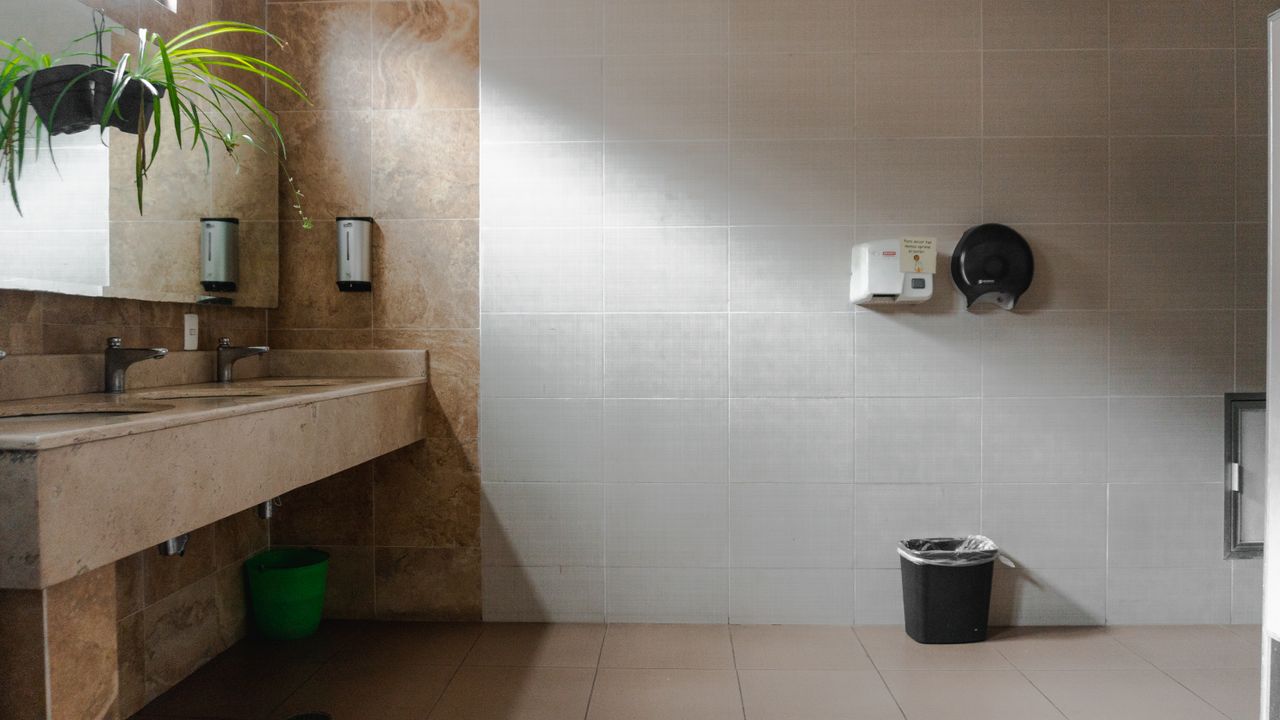
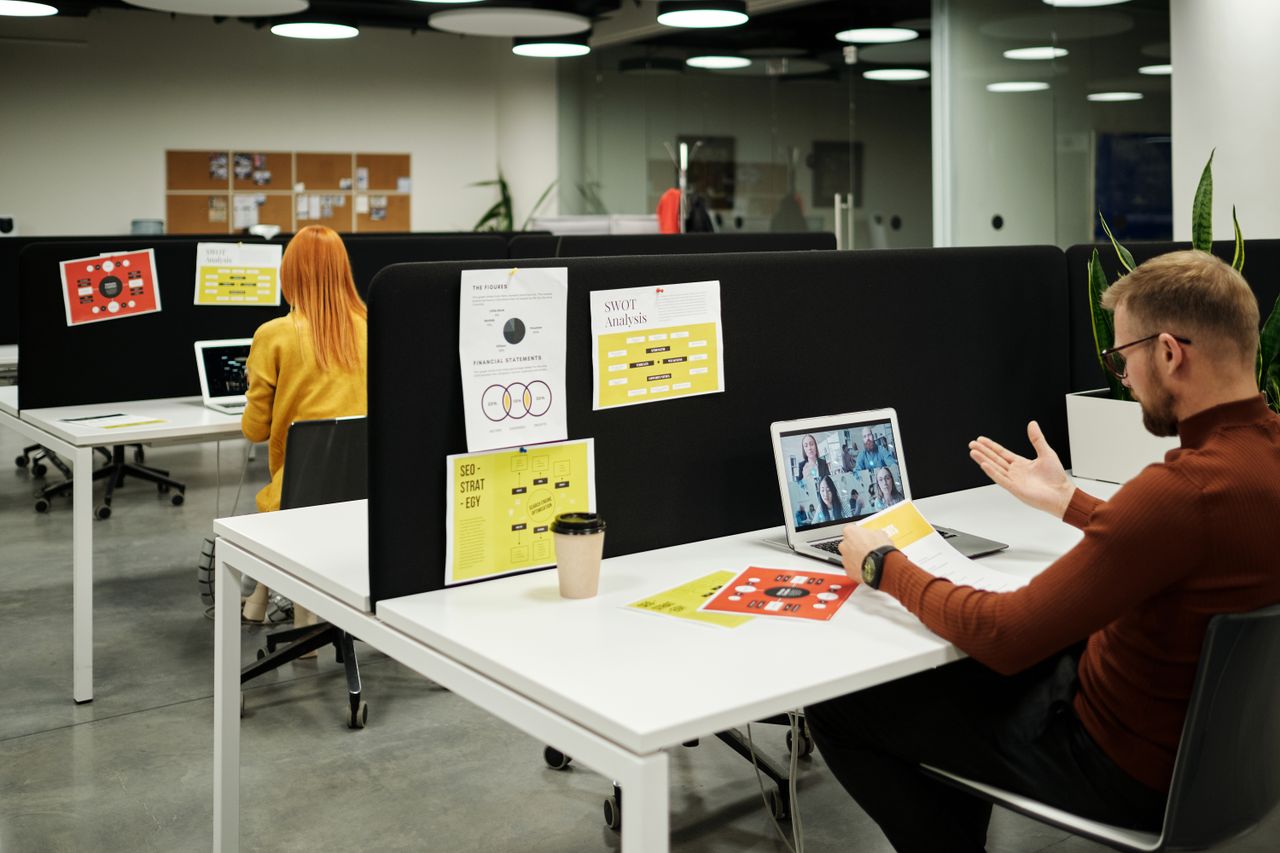
Most people can tell when a building feels “off” long before they can explain why. It might be a meeting room that turns stuffy by 10am, a reception area that feels draughty even with the doors shut, or that familiar office ritual of one colleague opening a window while another says they’re freezing. We tend to file these things under minor workplace gripes, but they affect concentration, mood and how usable a space feels.
More people now recognise that comfort isn’t just about setting a thermostat and hoping for the best. In larger premises, heating, ventilation and lighting often behave differently from one zone to another, and small inefficiencies can turn into daily annoyances. That’s partly why more attention is going to building energy management systems, not just as a technical upgrade, but as part of a wider discussion about how buildings support the people inside them.
This isn’t only a problem in glossy new developments. Older schools, libraries, offices and civic buildings can all suffer from uneven temperatures, poor air quality and lighting that doesn’t match how rooms are used. In practice, “energy management” often overlaps with ordinary human concerns: fewer headaches, less afternoon sluggishness, and fewer passive-aggressive notes by the radiators.
The building you notice least is usually the one working best
Well-run spaces tend to share a few qualities:
- Temperatures that stay broadly consistent through the day
- Fresh air where people gather for long periods
- Lighting that suits the task, rather than glaring by default
That may not sound revolutionary, but it matters. The best-run buildings are often invisible. Nobody talks about them because nobody has to. As workplaces rethink attendance, public buildings face tighter budgets, and expectations around comfort rise, the way a building behaves in the background feels less like a facilities issue and more like an everyday quality-of-life question.
Featured image: Jack Sparrow for Pexels.