Some gatherings stay with you, not because they were flashy, but because everything worked and nobody had to think about it. The queue kept moving. The sound stayed clear. The room shifted pace at the right moment. Guests found what they needed without stopping to ask. It is tempting to call that luck, but it is usually the result of careful, invisible labour.
We tend to judge events by the obvious things: the speaker, the menu, the music, the décor. Yet the difference between a draining afternoon and an enjoyable one often sits in the background decisions. Where will people bunch up? How long will they stand before they get restless? What happens if the weather turns, or a train is delayed? Planning is not glamorous, but it lets the glamorous parts land.
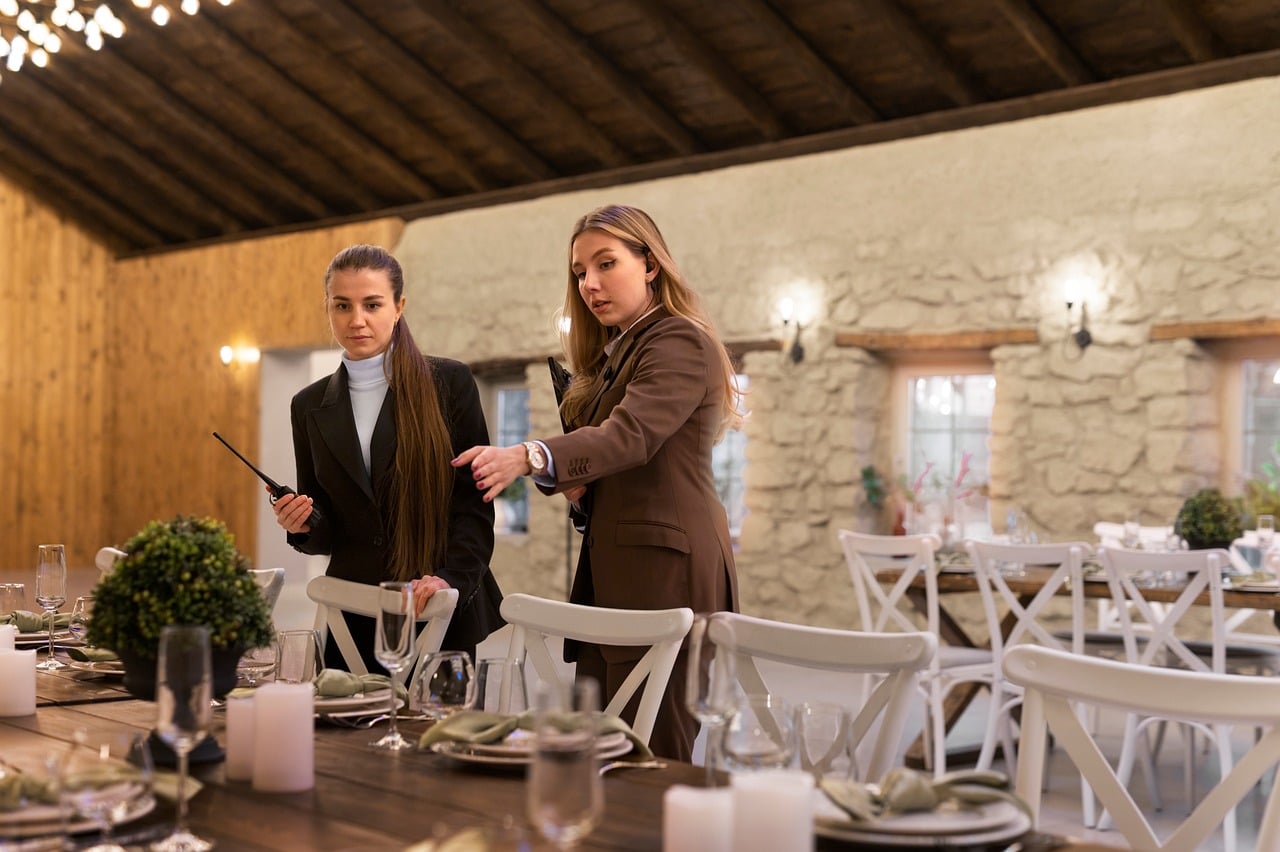
That is why people often take an interest in event management companies only after attending something that runs exceptionally well. Not because they are suddenly planning a gala dinner, but because they have noticed the craft. The best organisers understand flow, timing and contingency in the same way a good stage manager understands silence, as something to shape, not leave to chance.
The details people remember without realising
A successful event often earns a reputation for atmosphere, but atmosphere comes from practical choices:
- how quickly guests are welcomed and settled;
- whether the programme leaves enough breathing space;
- how clearly people know where to go next.
Perhaps that is the odd charm of the whole field. Done badly, everyone notices. Done well, people simply say they had a lovely evening. In a culture that often prizes spectacle over structure, there is something reassuring about work whose best compliment is that it hardly seemed like work at all.
Featured image by u_8fkpeigjkp via pixabay